
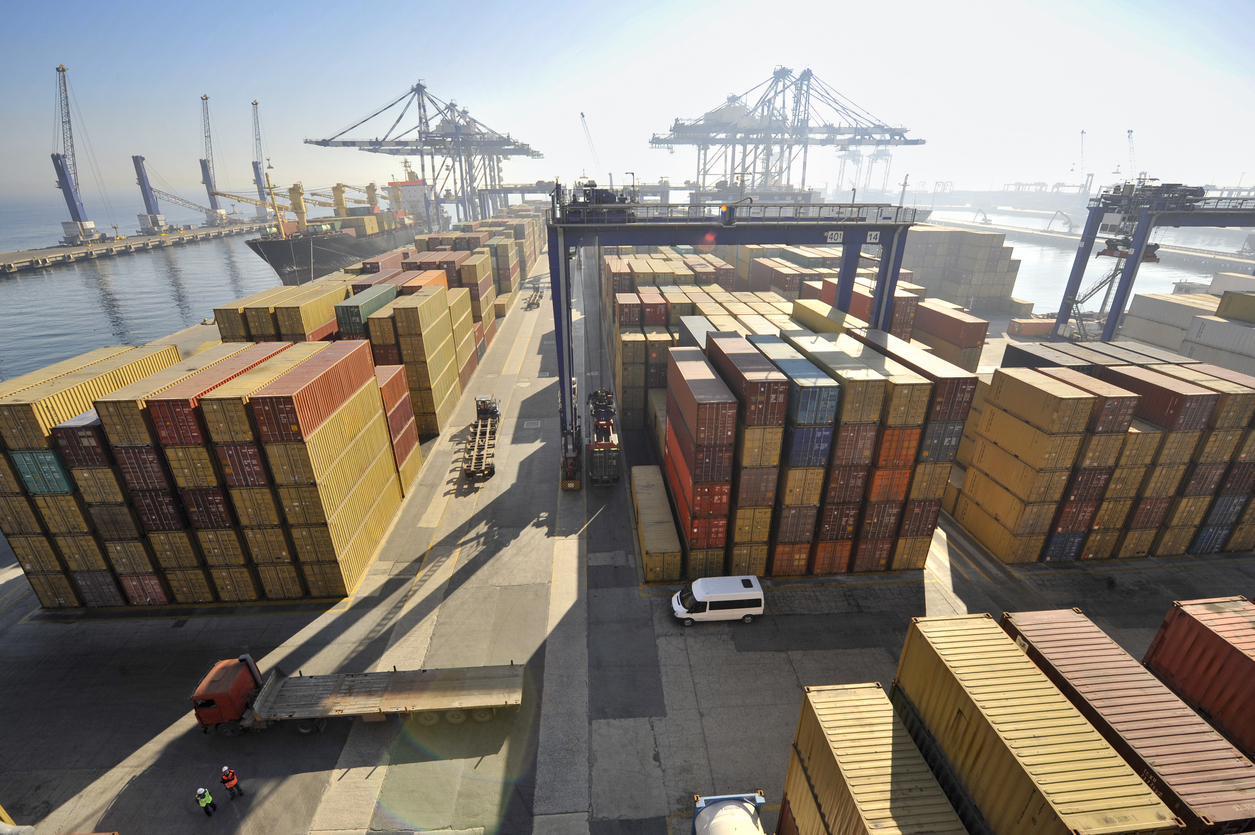
Same EU tariff. Same EU quota. Yet very different customs bills.
Since 1 July 2026, all steel importers across the European Union have operated under the same new system: tariff-free quotas administered quarterly, with a 50% tariff applied to imports exceeding the available quota.
Same European legislation. Same quotas. Same 50% tariff.
But not the same treatment.
Then comes the bill.
At the start of each quarterly quota period, importers rush to secure their share and clear their goods through customs. Yet, they have no way of knowing what portion of their shipment will actually fall under the available quota.
Consider a simple example: if, on the first day, importers from all 27 EU Member States collectively request twice the volume available, an importer clearing 100 tonnes will ultimately receive tariff-free treatment on only 50 tonnes. The remaining 50 tonnes will incur a 50% tariff.
This is a leap of faith — importers only find out their actual liability once the quota is allocated. In most Member States, by that time it is too late to reject the excess quantity. The 50% tariff is imposed automatically and without question.
For a duty that can dramatically alter the economics of a transaction, this is an extraordinary situation. Fortunately, not everyone experiences it the same way.
In Italy, Spain and Greece, common sense prevails
All three countries have customs arrangements that, under certain conditions, offer importers alternatives to clearing the entire shipment and paying a heavy 50% tariff on quantities exceeding the quota.
We won’t delve into the customs technicalities; what matters is the outcome: an importer clearing goods through Italy, Spain or Greece has options denied to importers clearing exactly the same goods elsewhere in the EU.
Same goods. Same origin. Same European tariff quota. Different customs bill.
Credit where credit’s due
The new steel tariff quota regime aims to restrict tariff-free imports and foster European steel production. Italy, Spain and Greece have made these restrictions effective without automatically imposing a 50% penalty on excess quantities for their own importing companies.
The volume limits still stand, and European steel producers still gain the intended advantage. Yet Rome, Madrid and Athens have also safeguarded the interests of their downstream companies.
EURANIMI believes they deserve recognition for this balanced approach. The obvious question remains: why shouldn’t importers in other EU Member States enjoy the same options?
A helping hand from Berlin
Germany, too, offers importers some useful flexibility. When goods can potentially benefit from a second tariff quota once the first is exhausted, German customs allow the alternative quota order number to be indicated already on the original declaration. As soon as the second quota opens, the uncovered quantity can immediately be considered against it.
Elsewhere in the EU, importers have to wait for the outcome of the initial allocation before they can even apply for the alternative quota. It may sound like a minor procedural difference — but for identical stainless steel products of the same origin, clearing them through a port just a few hundred kilometres away has already produced an effective duty difference of close to 10%.
Knowing the rules is no longer enough
Understanding the letter of EU customs regulations is one thing; keeping up with how those rules are actually applied, differently, from one Member State to the next, is quite another. Through its network of importers across Europe, EURANIMI compares how the same EU rules are applied across Member States and passes that intelligence on to its members.
For an importer, making sure its freight forwarder applies the right procedure in the right port can be worth its weight in gold — and the savings can easily dwarf the annual cost of EURANIMI membership.
So much for the “level playing field”
A “level playing field” is regularly invoked to justify new rules, restrictions, and trade measures. Yet when it comes to applying those very rules uniformly across the EU, the playing field turns out to be rather bumpy — and occasionally even mined.
Asking the EU courts to straighten it out hardly seems a realistic solution. Litigation could mean years of expensive proceedings and appeals before producing any tangible result, with no guarantee that the outcome would extend the more favourable practices rather than simply abolish them.
In the meantime…
EURANIMI will work with its members and national associations to draw the attention of Member States to the very tangible competitive advantages that more flexible customs practices in neighbouring countries may offer — and to the consequences this can have for their own seaports.
Perhaps one day practical reality will catch up with the European Customs Union we keep seeing on the horizon. Until then, knowing where and how best to clear their goods will remain a priority for steel distributors relying on imported steel to competitively serve their downstream customers.
Related Articles


Case Documents
Please log in as a member to consult all related case documents.
